Look into the key differences between hardwood and laminate flooring to determine which suits your home in Collin County, TX. Learn about installation, upkeep, and lifespan.
Share:
Summary:
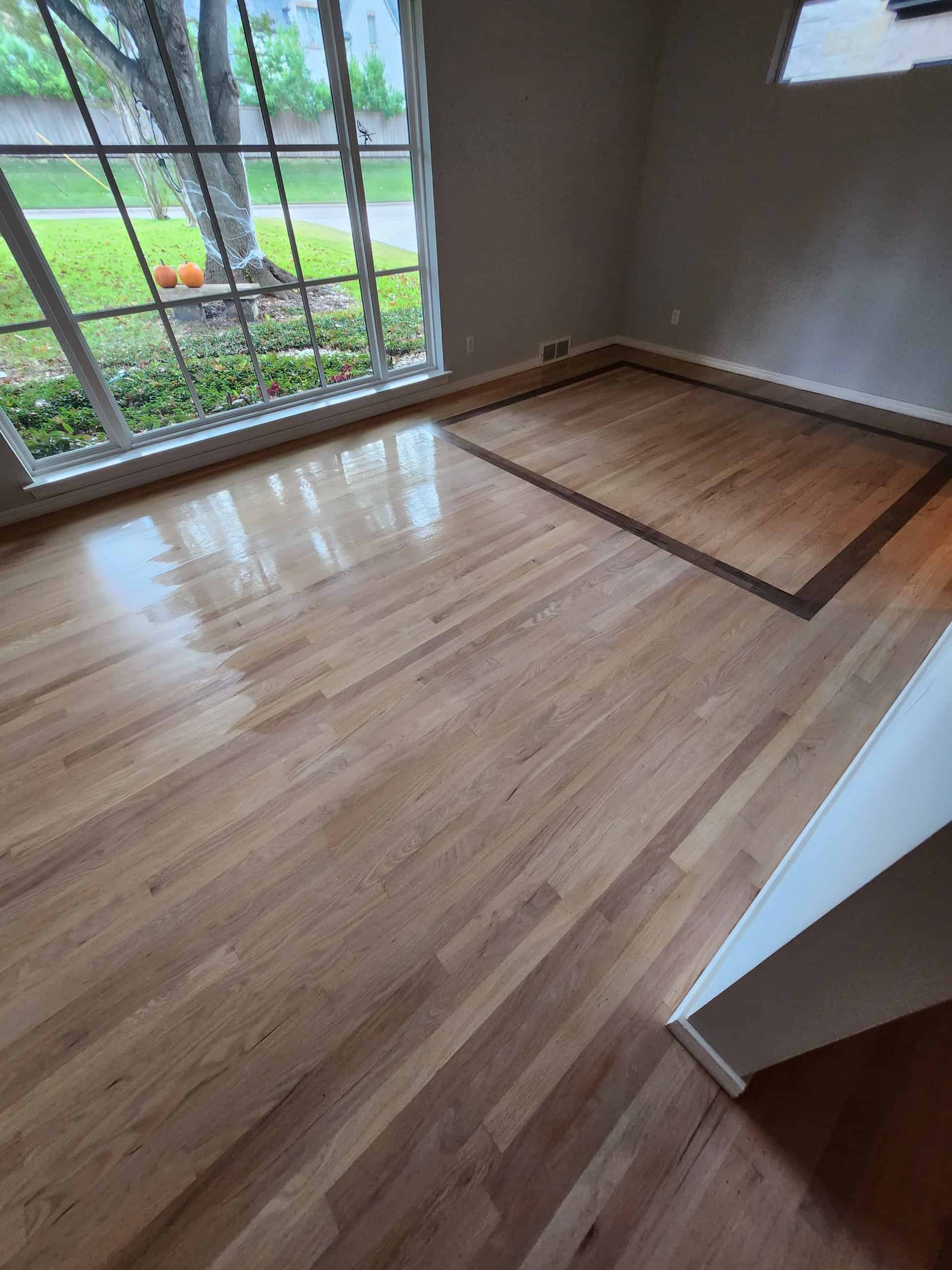
Hardwood flooring brings a sense of warmth and natural character to any space. Crafted from solid timber, such as Oak, Maple, Hickory, or Cherry, every plank possesses its own distinct grain pattern and color variations. This inherent individuality means no two hardwood floors are exactly alike. Its reputation for longevity is well-earned; with proper care, it can last for generations. One of its most significant advantages is the ability to be sanded down and refinished multiple times. This process allows you to refresh its look or even change its color over the years, effectively giving you a new floor without a complete replacement. In the variable climate of Collin County, TX, solid wood naturally expands and contracts with changes in humidity and temperature. While this is a normal characteristic, it necessitates specific installation techniques to accommodate movement and prevent issues. The initial investment for hardwood can be higher than other options, and it does require consistent upkeep, including potential floor repair and refinishing, to maintain its appearance.
When considering hardwood flooring, you’ll encounter various wood species, each with different hardness levels, grain patterns, and colors. Oak is a popular choice known for its durability and prominent grain, while Maple offers a lighter, more subtle look. Hickory is one of the hardest domestic woods, ideal for active households. Beyond the wood itself, the finish plays a large part in both appearance and protection. Options range from oil-based finishes, which penetrate the wood for a natural look, to water-based polyurethanes, which form a protective top layer and often have lower VOCs. The choice impacts how the floor resists wear and how it feels underfoot. Understanding these options helps you select a hardwood floor that matches your home’s style and functional needs.
When considering hardwood flooring, you’ll encounter various wood species, each with different hardness levels, grain patterns, and colors. Oak is a popular choice known for its durability and prominent grain, while Maple offers a lighter, more subtle look. Hickory is one of the hardest domestic woods, ideal for active households. Beyond the wood itself, the finish plays a large part in both appearance and protection. Options range from oil-based finishes, which penetrate the wood for a natural look, to water-based polyurethanes, which form a protective top layer and often have lower VOCs. The choice impacts how the floor resists wear and how it feels underfoot. Understanding these options helps you select a hardwood floor that matches your home’s style and functional needs.
Laminate flooring presents an attractive and budget-friendly alternative to traditional hardwood. Its construction involves multiple layers fused together. The bottom layer provides stability, the core is typically made of high-density fiberboard (HDF), a high-resolution photographic layer sits on top (mimicking wood, stone, or other materials), and a protective wear layer seals it all. This wear layer is what gives laminate its notable resistance to scratches, dents, and stains, making it a strong contender for homes with children, pets, or high foot traffic. For residents in Collin County, TX, its ease of upkeep is a significant benefit; it generally requires only sweeping and occasional damp mopping. However, a major difference is that laminate cannot be sanded or refinished. If a plank gets significantly damaged, it usually needs to be replaced. Its lifespan, while considerable, isn’t typically as long as solid hardwood, meaning you might need to consider flooring removal and replacement down the line.
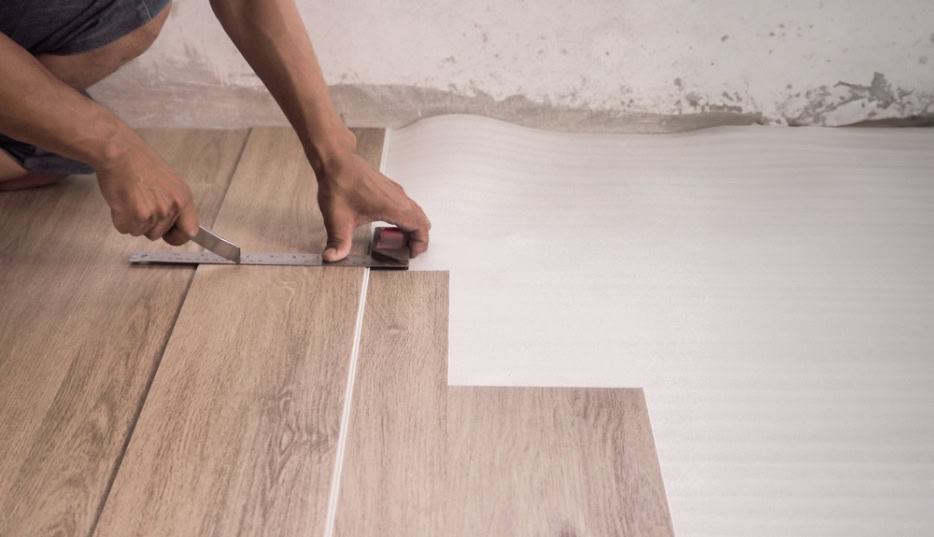
One of the appealing aspects of laminate flooring is its installation process. Most modern laminate uses a “click-lock” system, where planks interlock with each other, creating a ‘floating’ floor that sits over an underlayment rather than being directly fixed to the subfloor. This makes flooring installation quicker and often more manageable for DIY projects compared to hardwood. The design possibilities with laminate are vast. Thanks to advanced printing technology, it can convincingly replicate the look of almost any wood species, as well as stone or tile designs. This allows you to achieve a particular aesthetic without the associated cost or maintenance concerns of the natural material. You can choose from various plank widths, textures, and finishes to closely match your desired style.
Your daily and long-term commitment to floor maintenance differs significantly between these two options. Hardwood flooring needs careful cleaning—avoiding excessive water and using wood-specific cleaners is important. Protecting it from scratches with furniture pads and addressing spills promptly is also necessary. Over time, as mentioned, refinishing will be required. Laminate flooring, on the other hand, is simpler. Regular sweeping or vacuuming (using a hard floor setting) and mopping with a laminate-safe cleaner are usually sufficient. While it’s scratch-resistant, it’s not scratch-proof, so taking precautions is still wise. Since it can’t be refinished, deep damage or widespread wear might necessitate replacement rather than floor repair. Thinking about how much time and effort you’re willing to dedicate to upkeep is a very practical part of your decision-making process.
While hardwood and laminate are popular, they aren’t your only choices. Vinyl flooring, particularly Luxury Vinyl Plank (LVP) or Luxury Vinyl Tile (LVT), offers remarkable water resistance and durability. It’s made from synthetic materials, making it a great fit for bathrooms, kitchens, and laundry rooms. Tile flooring, available in ceramic, porcelain, and natural stone, brings a classic, sturdy feel and excels in moisture-prone areas, though its hard surface and grout lines require specific upkeep. For those seeking warmth and softness, carpet installation remains a go-to for bedrooms and living rooms, providing sound insulation and comfort. Each of these materials comes with its own installation methods and floor maintenance needs. Exploring these alternatives can help you find the perfect surface for every room in your Collin County home.
Article details:
Share:
Continue learning:

Flooring Solutions and More
Company
Support
Useful Links